Restoring a Log Cabin the Right Way: What Homeowners Should Know Before the Damage Gets Expensive
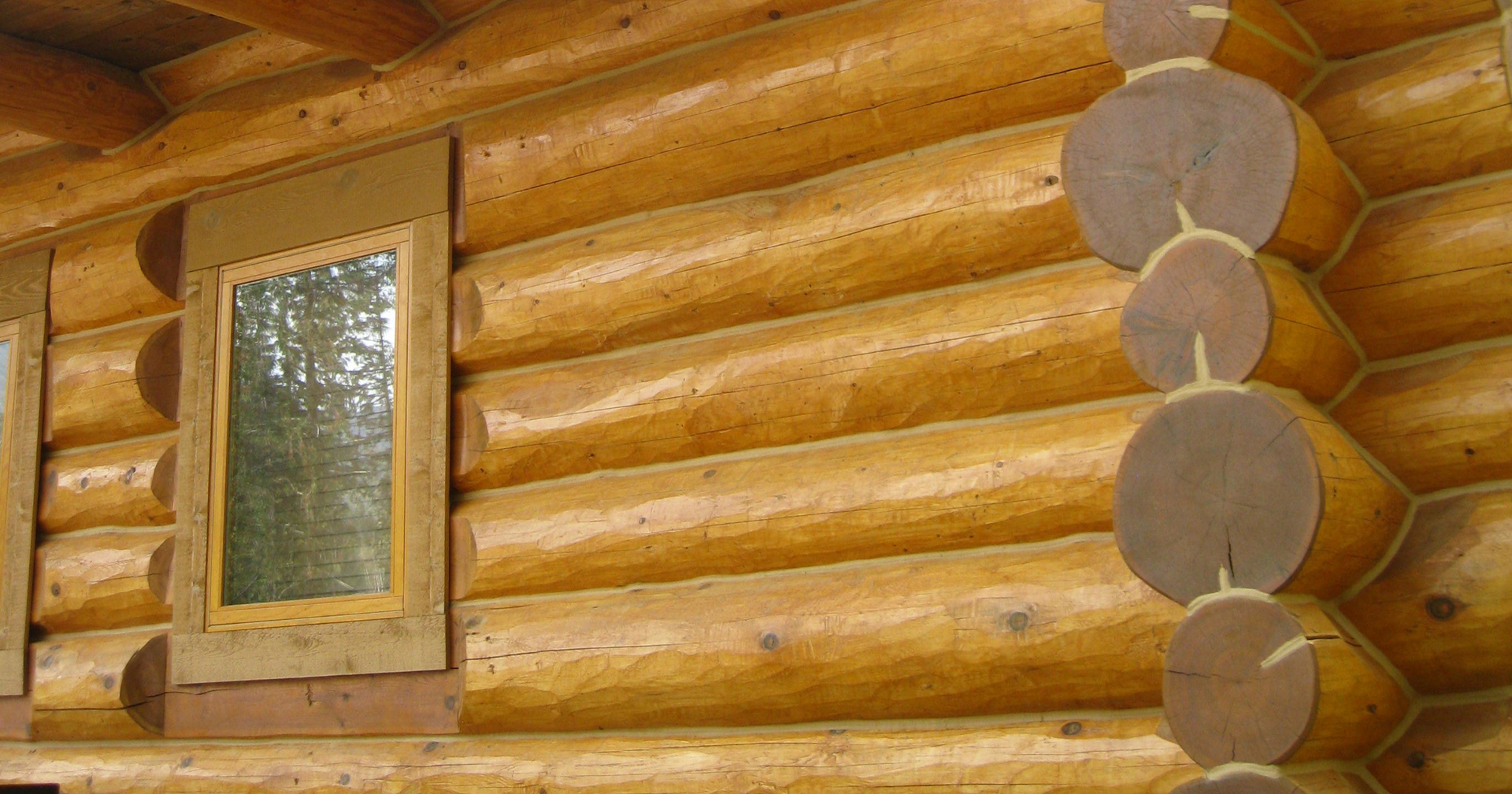
Log homes age differently than conventional houses.
They expand and contract. They absorb moisture. They hold coatings differently. They weather unevenly based on exposure. And when problems begin, they don’t always show up where you expect.
Most homeowners don’t call a restoration company because they want cosmetic improvement. They call because something feels wrong:
- Stain is peeling or darkening
- Logs look gray or fuzzy
- There are black stains around fasteners or lower courses
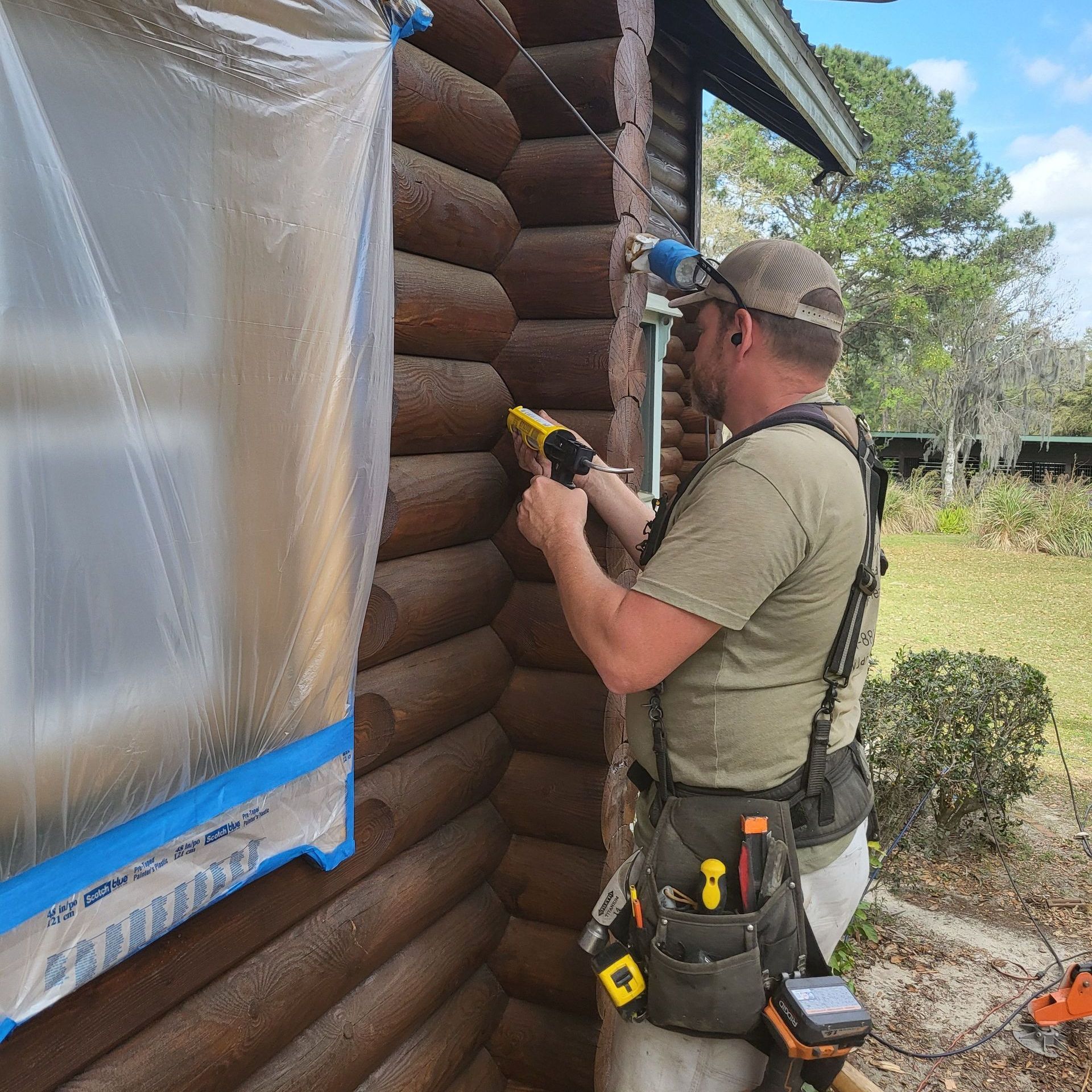
- Caulking is separating
- Certain walls look dramatically worse than others
By the time those signs appear, the issue isn’t just aesthetic. It’s structural protection.
This article explains what’s really happening to aging log cabins, how proper restoration works, and how to avoid costly mistakes that shorten the life of your home.
What’s Really Happening to Aging Log Cabins
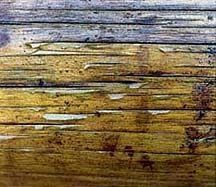
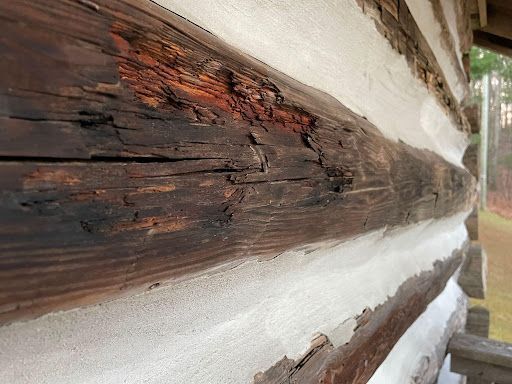
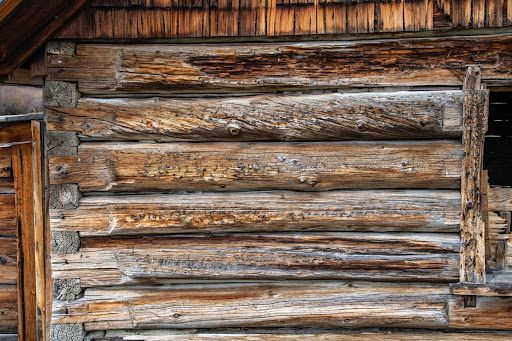
Log homes don’t fail suddenly. They deteriorate gradually.
1. UV Breakdown
Sunlight degrades lignin in wood fibers. This causes:
- Surface graying
- Fuzzy texture
- Reduced stain adhesion
- Increased moisture absorption
South and west-facing walls typically deteriorate first.
2. Moisture Intrusion
Water enters through:
- Failed stain systems
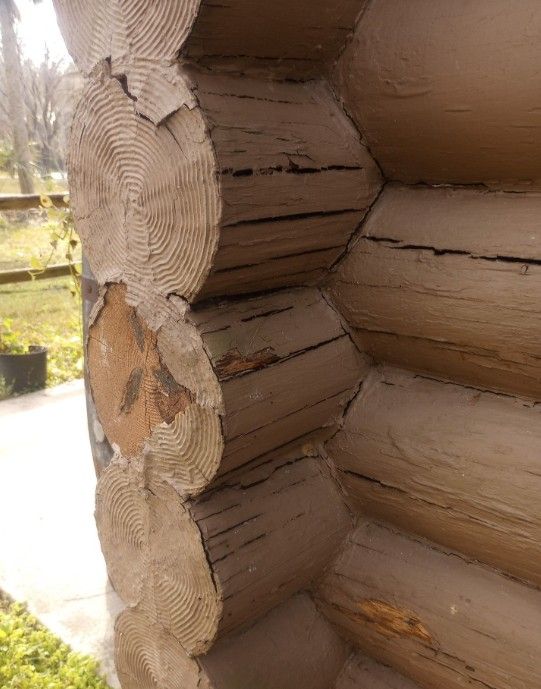
- Open checks (cracks)
- Failed chinking or caulking
- End-grain exposure
Over time, this leads to:
- Softened fibers
- Mold growth
- Hidden rot beneath intact coatings
3. Coating Failure
Many cabins were previously:
- Power-washed aggressively
- Lightly sanded
- Re-stained without full preparation
- Coated with incompatible stain systems
When a new stain is applied over compromised wood, it traps moisture instead of protecting against it. The result? Expensive restoration later.
Why Proper Surface Preparation Determines Everything
Surface prep is not cosmetic. It’s structural.
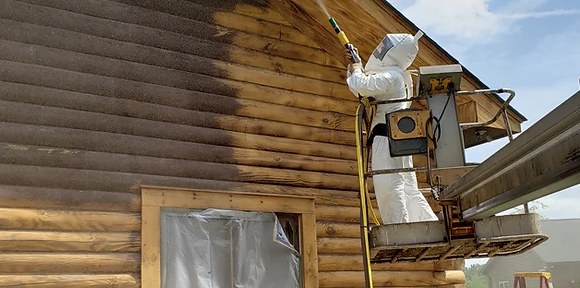
The Purpose of Media Blasting
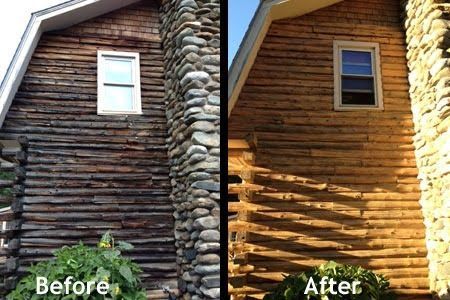
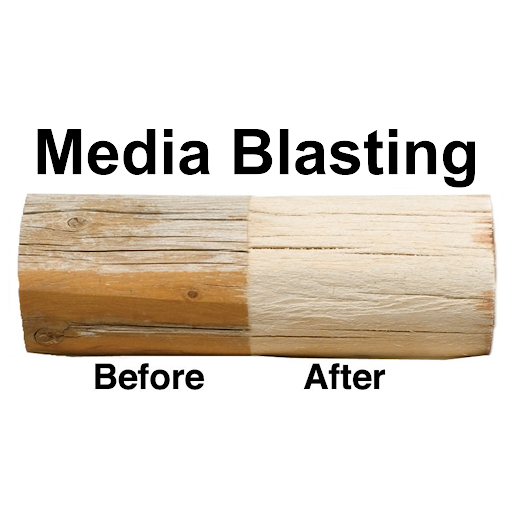
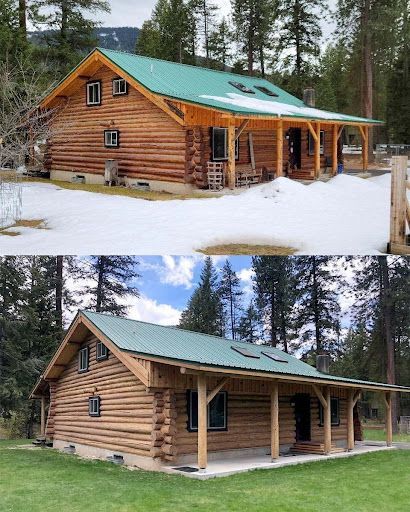
Media blasting — when done correctly — removes:
- Failed stain systems
- Mold spores
- UV-damaged wood fibers
- Embedded contaminants
But equally important, it reveals what’s underneath.
Unlike pressure washing or surface sanding, professional media blasting allows:
- Full inspection visibility
- Accurate moisture assessment
- Identification of hidden rot
- Uniform surface restoration
- Improved stain penetration
The key is not blasting aggressively — it’s blasting precisely.
The wrong pressure or media type can damage logs permanently.
The Difference Between Restoration and “Cleaning”
Many contractors offer:
- Pressure washing
- Light sanding
- “Refresh” staining
- Quick color changes
These approaches may improve appearance temporarily.
But they do not remove:
- Degraded fibers
- Deep mold growth
- Embedded failing coatings
Shortcuts We Commonly See
- Over-promising “one-day transformations”
- Using high PSI pressure washing that scars wood
- Applying stain over partially failed systems
- Skipping moisture testing
- No containment during blasting
These shortcuts reduce cost upfront — and increase cost later.
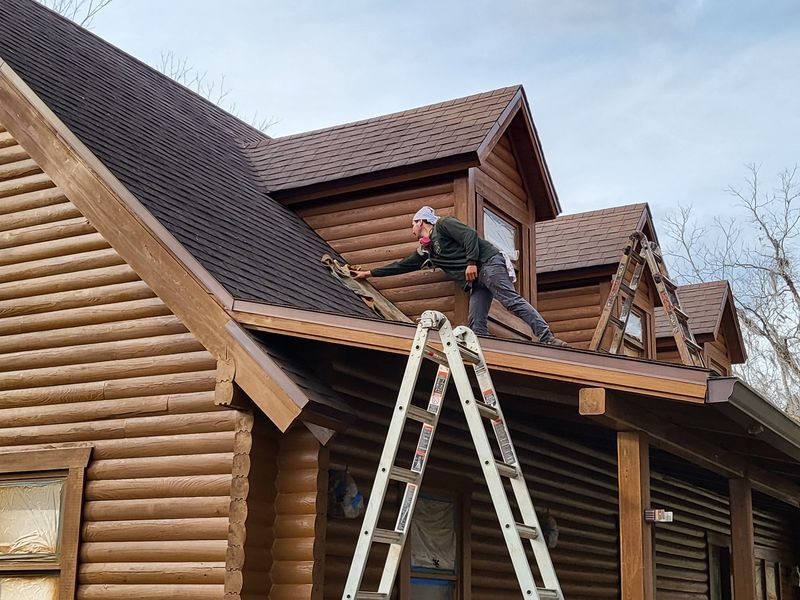
What a Professional Log Cabin Restoration Process Should Include
A proper restoration follows a structured sequence.
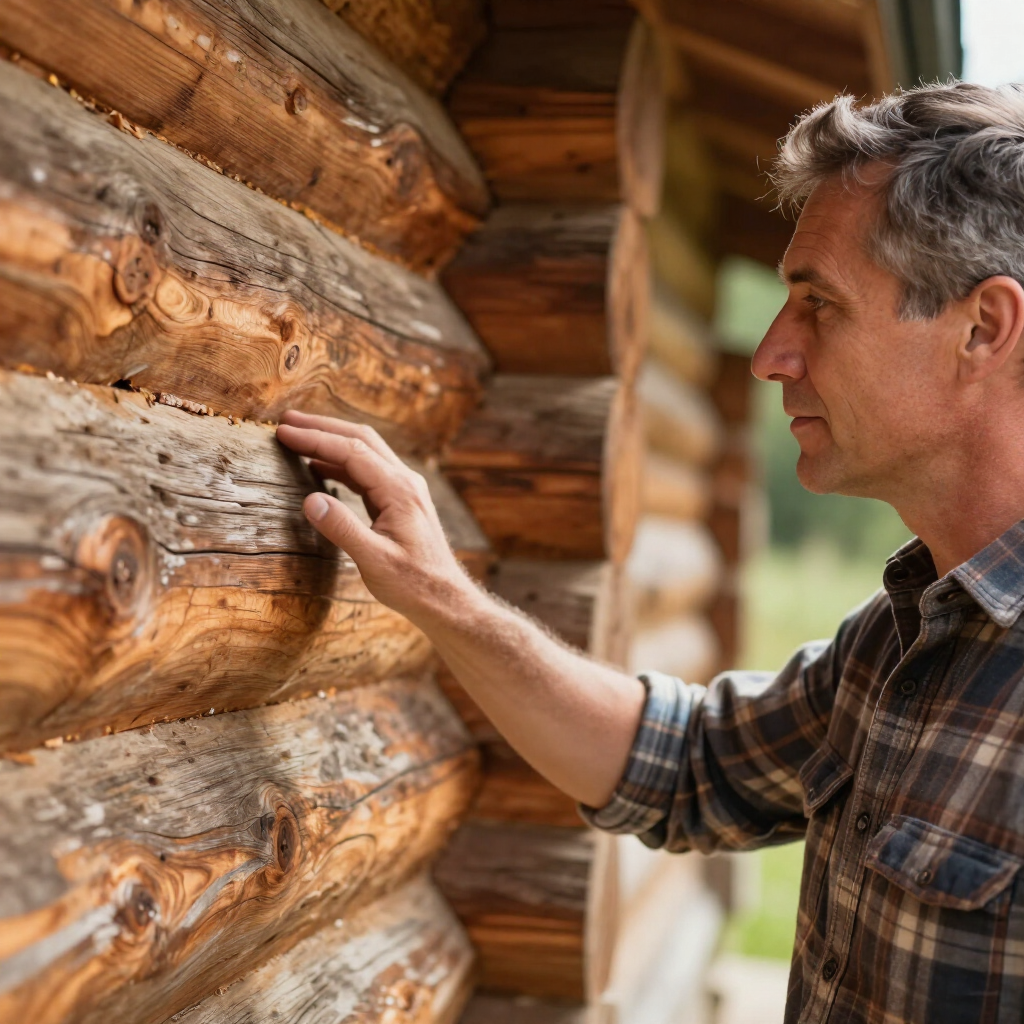
1. Full Exterior Inspection
- Moisture readings
- Rot identification
- Chinking assessment
- Fastener corrosion check
- Drainage evaluation
2. Media Selection Strategy
Different media serve different purposes:
- Crushed glass (heavier coatings)
- Corn cob (sensitive surfaces)
- Walnut shell (controlled stripping)
Selection depends on:
- Log species
- Existing coating
- Age of structure
- Climate exposure
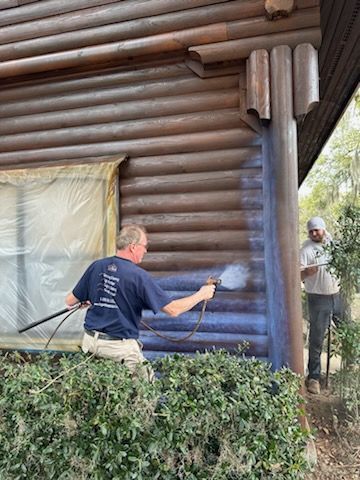
3. Containment & Property Protection
- Window masking
- Landscaping protection
- Controlled debris management
- Dry-process cleanup protocols
4. Targeted Log Repair (if needed)
- Log replacement
- Rot remediation
- Check sealing
5. Proper Stain System Application
- Moisture-balanced wood
- Compatible stain selection
- UV and water-repellent properties
- Back-brushing for penetration
6. Final Inspection
- Adhesion verification
- Uniformity check
- Sealant review
- Drainage reassessment
Restoration is a system not a single step.
The Psychological Side of Hiring a Log Cabin Contractor
Homeowners hesitate for understandable reasons:
- Fear of damaging irreplaceable logs
- Concern about hiring unqualified contractors
- Worry about overspending
- Anxiety over long project timelines
- Uncertainty about what’s truly necessary
These concerns are valid.
Log restoration is specialized work. Not every painter, pressure washer, or general contractor is qualified.
The right contractor educates first, inspects thoroughly, and explains options calmly — including when full blasting isn’t required.
Caution: Common Mistakes That Shorten Log Home Lifespan
Caution: Improper Blasting Pressure
Too aggressive and you permanently scar wood fibers.
Caution: Wrong Media Type
Incompatible media can erode soft logs or fail to remove coatings fully.
Caution: Skipping Inspection After Stripping
Staining over exposed rot traps moisture.
Caution: Using Film-Forming Stains on High-Moisture Walls
Peeling becomes inevitable.
Caution: Delaying Restoration Too Long
Once rot progresses beyond surface depth, log replacement becomes necessary.
Restoration Is About Protection, Not Just Appearance
A properly restored log cabin:
- Sheds water effectively
- Resists UV degradation
- Maintains structural integrity
- Shows its natural grain clearly
- Is easier to maintain long-term
More importantly, it gives you clarity. Once coatings are properly removed and the surface is evaluated, you know the true condition of your home.
That visibility is peace of mind.
When to Schedule an Inspection
You don’t need full restoration every few years.
But you should schedule a professional inspection if you notice:
- Dark streaking
- Soft or spongy areas
- Persistent moisture staining
- Peeling stain
- Failed chinking
- Visible insect activity
Early intervention prevents structural repair.
Conclusion
Log homes require specialized care. When coatings fail, the solution isn’t to cover the problem, it’s to correct it properly.
A disciplined restoration process restores beauty, yes but more importantly, it restores protection.
At Log and Timber Solutions, the focus is not quick cosmetic improvement. It’s thorough inspection, controlled media blasting, careful repair, and long-term wood preservation. That approach reduces risk for homeowners and protects the structural integrity of the cabin for decades.
If you’re unsure about the condition of your home, start with a professional inspection. Clear answers reduce risk. Informed decisions protect your investment.
Frequently Asked Questions
How do I know if my log cabin needs media blasting?
If stain is peeling, wood is gray or fuzzy, or mold is present beneath coatings, full surface removal may be necessary for proper restoration.
Is media blasting safe for logs?
Yes — when performed with the correct media type, controlled pressure, and experienced technicians. Improper blasting can cause damage.
Can I just pressure wash and re-stain?
Pressure washing often fails to remove degraded fibers and can damage wood if too aggressive. Proper inspection determines the right approach.
How long does a restoration project take?
Timelines vary based on size, condition, weather, and repair needs. Most full exterior restorations take several days to a few weeks.
How often should a log cabin be inspected?
At minimum, every 2–3 years. High-exposure walls may require more frequent evaluation.