Rising from the Ash: The Complexities of Log Cabin Fire Restoration

They say that "where there’s smoke, there’s fire," but for a log home owner, the smoke is often just the beginning of a very long journey.
Experiencing a fire in your timber-frame or log home is a heart-wrenching experience. Unlike a standard drywall home, a log cabin is a living, breathing structure. When fire strikes, the damage isn’t just surface-level; it affects the structural integrity, the moisture content of the wood, and the very aesthetic that makes a log home special.
At Log & Timber Solutions, we understand that you aren't just restoring a building; you are recovering a lifestyle. As an industry leader in log cabin restoration, we specialize in navigating the technical hurdles of fire damage, providing homeowners with the peace of mind that their sanctuary can—and will—be beautiful again.
The Unique Challenges of Log Home Fire Damage
Restoring a log home isn't as simple as replacing a few studs and hanging new sheetrock. Logs present three specific challenges after a fire:
1. Deep-Seated Charring vs. Surface Soot
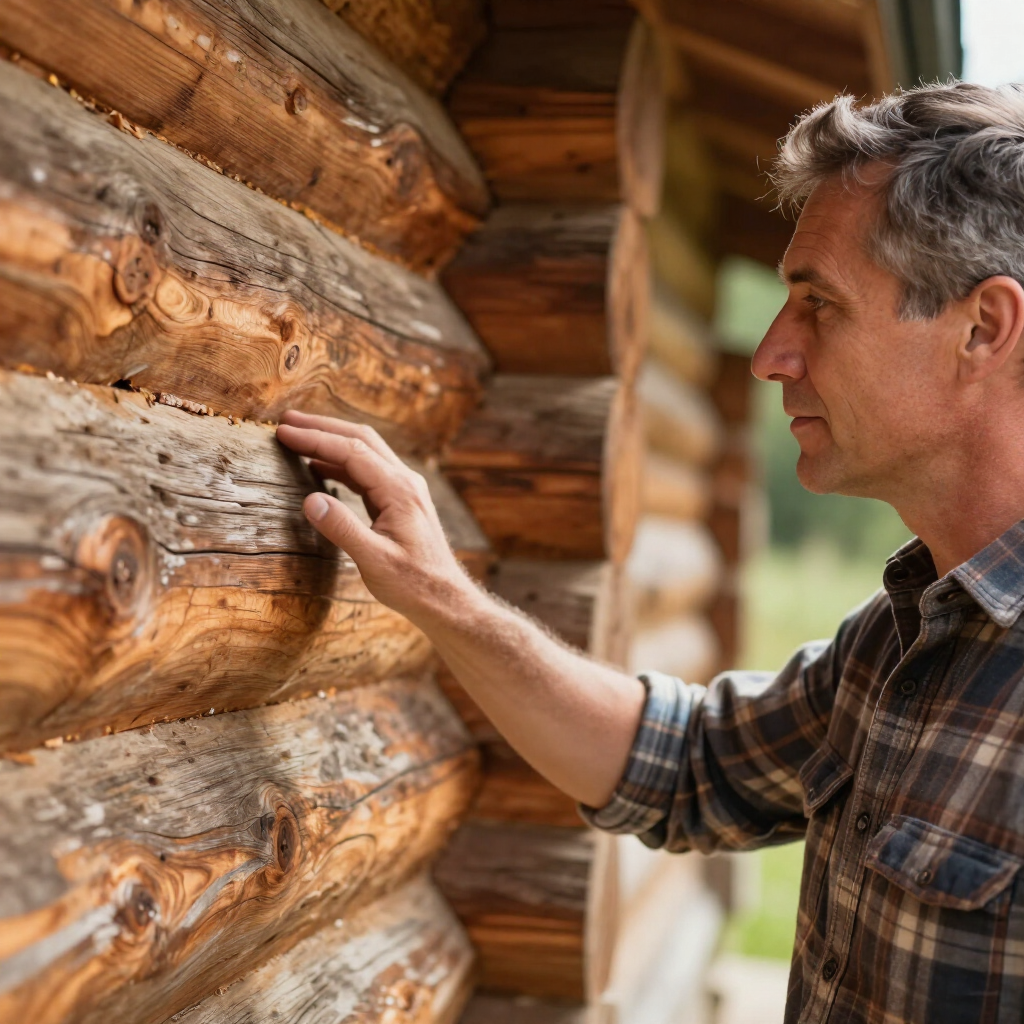
While the exterior of a log may look blackened, the core is often still structurally sound. However, removing char without damaging the "good" wood beneath requires surgical precision.
2. The Persistence of Smoke Odor
Wood is porous. It acts like a giant sponge for smoke molecules. If you don’t treat the logs correctly, that "campfire" smell will return every time the humidity rises, even years later.
3. Compromised Sealants
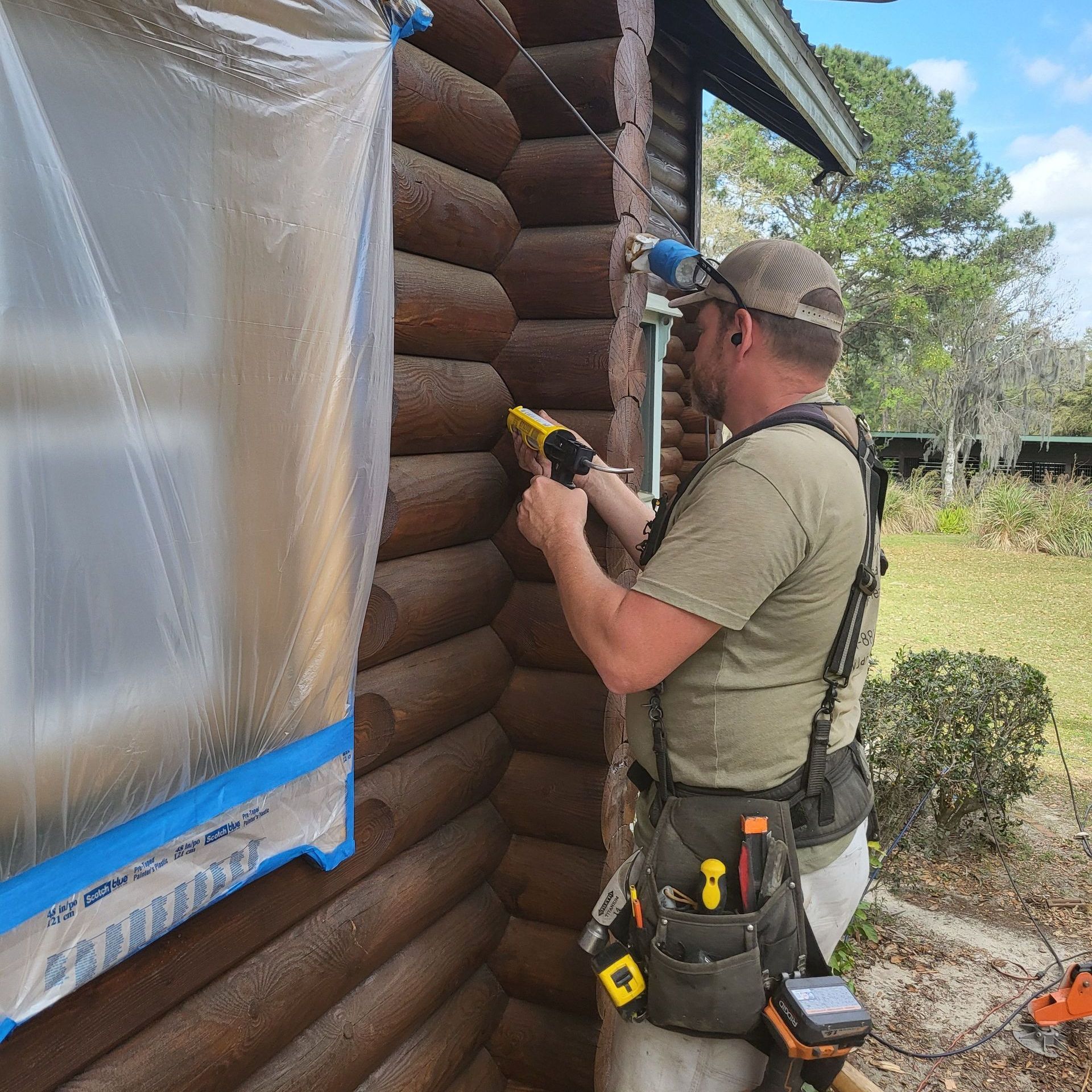
The heat from a fire often melts or degrades the chinking and caulking between your logs. This destroys your home’s energy efficiency and creates pathways for water and insects to enter the damaged wood.
Pro Tip: Never rush to power wash a fire-damaged log home. Adding high-pressure water to charred wood can force soot and ash deeper into the grain, making the odor almost impossible to remove later.
How Log & Timber Solutions Navigates the Recovery
As an industry leader, Log & Timber Solutions provides specific value through our "One Job at a Time" philosophy. We don't just "clean" your home; we restore it using a multi-step clinical approach.
Media Blasting: The Gold Standard
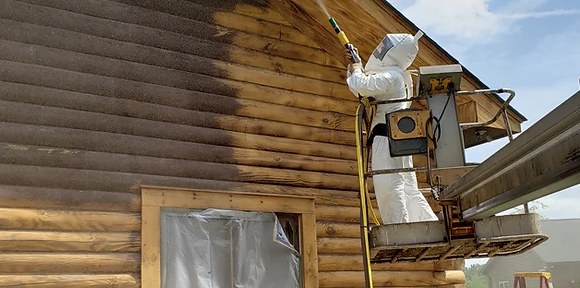
We often utilize media blasting (using crushed glass or walnut shells) to gently "erase" char and soot. This dry process removes the damaged layer of wood without introducing moisture, revealing the fresh, healthy timber underneath.
Structural Assessment and Log Replacement
Our 50+ years of experience allows us to identify when a log is salvageable and when it’s a safety risk. If a log is too damaged, our craftsmen can seamlessly perform log rot and fire-damage replacement, matching the profile and species of your existing home so the repair is invisible.
Did You Know? Log homes actually have a natural "fire rating." Because of the mass of the logs, they tend to char on the outside (creating a protective layer) rather than burning through quickly like 2x4 frame construction.
Sealing and Protecting the Future
Once the wood is cleaned and the odor is neutralized, we apply professional-grade stains and high-performance chinking. This doesn't just make the home look new; it seals the "wounds" created by the fire, ensuring the home is even more resilient than it was before the accident.
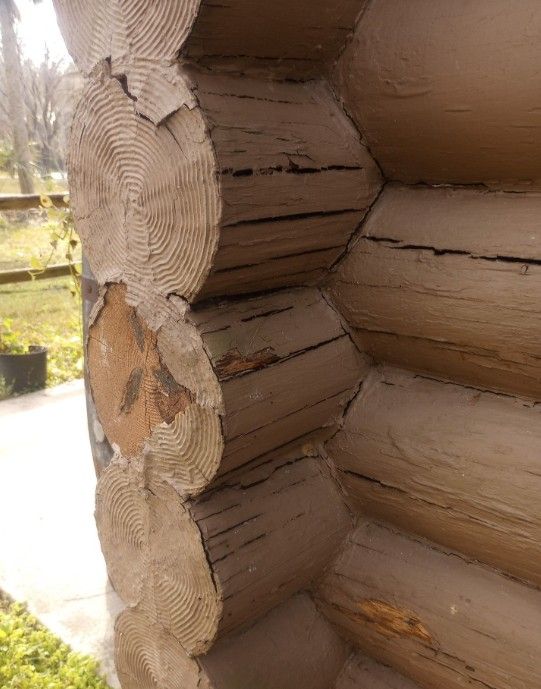
Little Known Fact: "Checks" (natural cracks in the wood) can expand significantly during a fire due to the intense heat drying out the timber. These must be individually inspected and sealed during restoration to prevent future rot.
Pro Tip: Check your insurance policy for "Law and Ordinance" coverage. Fire restoration often requires bringing old cabins up to modern building codes, and this coverage helps pay for those mandatory upgrades.
Did You Know? Specialized ozone treatments and thermal fogging are often used alongside media blasting to break down smoke molecules at a molecular level inside the wood fibers.
| Question | Answer |
|---|---|
| Is it always possible to save a log home after a fire? | Not always, but more often than you’d think. Because of the thermal mass of heavy timbers, the interior core often survives even when the exterior is heavily charred. A professional evaluation by a specialist like Log & Timber Solutions is the only way to know for sure. |
| What is the best fire restoration method for maintaining the wood's natural look? | The best fire restoration approach is media blasting. Unlike sanding, which can be uneven, or chemicals, which can stain the wood, media blasting provides a uniform, "like-new" finish that prepares the logs perfectly for a fresh coat of protective stain. |